Introduction to Web3
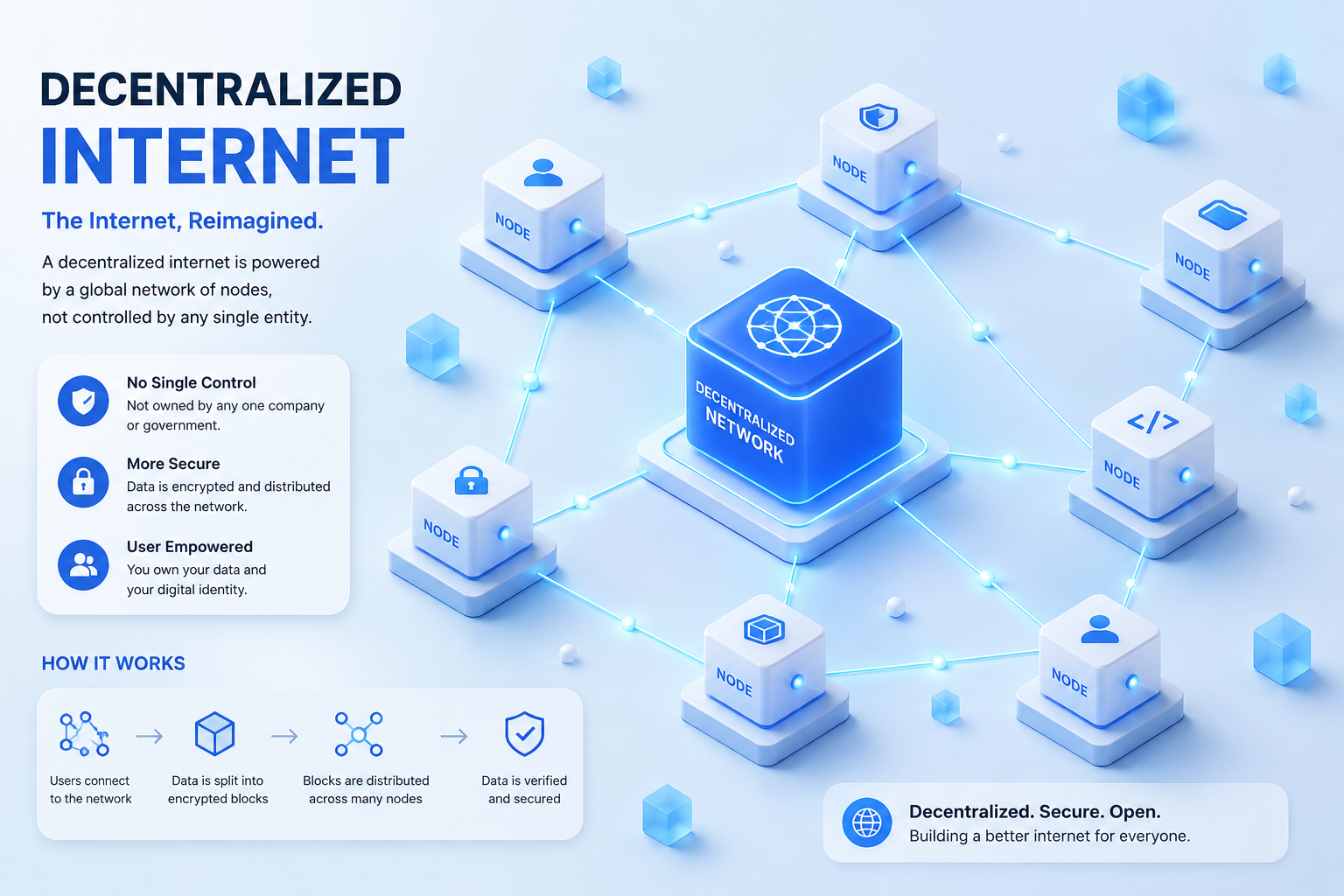
If you have spent any time in the crypto space, you have likely heard the term 'Web3.' While it sounds like a buzzword, it represents a significant shift in how we interact with the internet. At its core, Web3 is the idea of a decentralized web built on blockchain technology, where users have ownership over their data and digital assets.
The Evolution of the Internet
To understand where we are going, we need to look at where we started:
- Web1 (The Read-Only Web): Roughly from 1990 to 2004. The internet consisted mostly of static pages. Users were consumers of information, and there was very little interaction.
- Web2 (The Read-Write Web): Starting around 2004, the internet became social. Platforms like Facebook, YouTube, and Twitter allowed users to create content. However, this content and the users' data are owned and controlled by centralized corporations.
- Web3 (The Read-Write-Own Web): This is the current evolution. Web3 uses blockchains, cryptocurrencies, and NFTs to give power back to the users in the form of ownership.
Key Features of Web3
Web3 is defined by several core principles that set it apart from the internet we use today:
1. Decentralization
In Web2, a few large companies control the majority of the data. In Web3, information is stored on a distributed network of computers (a blockchain), meaning no single entity has total control.
2. Permissionless and Inclusive
Anyone with an internet connection and a digital wallet can participate in Web3. You do not need approval from a bank or a tech giant to send money or use an application.
3. Trustlessness
Web3 operates using smart contracts—self-executing code that resides on the blockchain. This allows people to interact or trade without needing to trust a third party to mediate the transaction.
Why Does Web3 Matter?
The primary benefit of Web3 is ownership. In a Web2 world, if a social media platform decides to delete your account, you lose your content and your audience. In a Web3 world, your digital identity and assets are held in your own wallet, independent of any specific platform.
The Reality Check: Staying Safe
Despite the excitement, Web3 is still in its early stages. Many applications are experimental, and the lack of a 'Forgot Password' button means you are solely responsible for your security. Because there is no central authority to reverse a transaction, scams are common. Always verify the platforms you use and never share your seed phrase with anyone.
Conclusion
Web3 is not just about trading crypto; it is about building a more transparent and fair internet. As a beginner, the best way to explore Web3 is slowly—by learning how wallets work and understanding the basics of blockchain security before diving into complex applications.