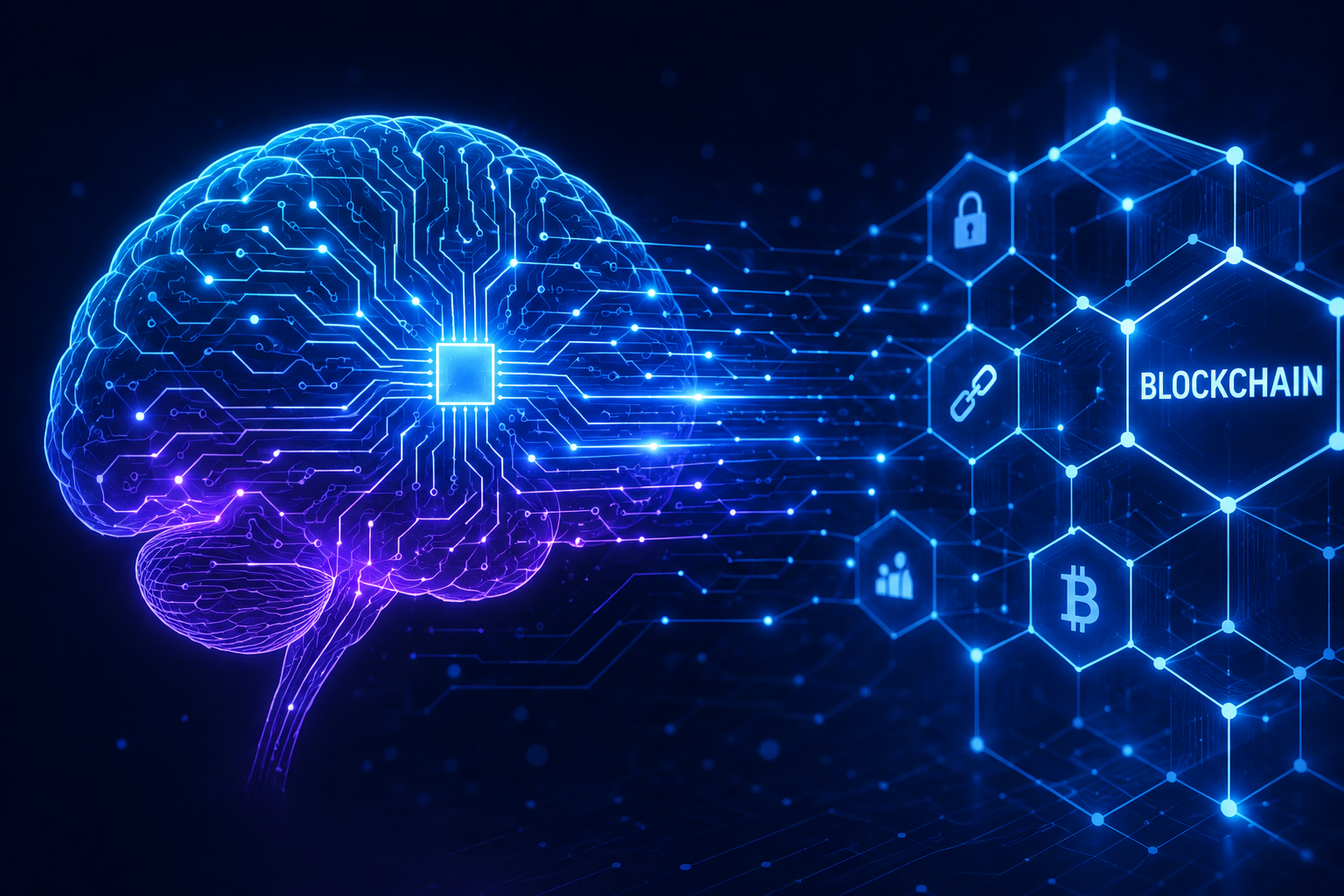
The rise of generative AI tools like ChatGPT has sparked a massive wave of interest in how artificial intelligence can intersect with blockchain technology. This intersection has given birth to a specialized category of digital assets known as AI cryptocurrencies. In this guide, we will break down what these tokens are, how they work, and why they are currently one of the most talked-about topics in the crypto world.
What are AI Cryptocurrencies?
AI cryptocurrencies are tokens that power blockchain platforms specifically designed to support artificial intelligence services, applications, or infrastructure. Unlike Bitcoin, which acts primarily as a store of value or medium of exchange, AI crypto coins serve as the utility currency for decentralized AI networks.
The main goal of these projects is to combine the decentralized nature of blockchain with the processing power of AI. This can involve anything from sharing computing power for machine learning to creating marketplaces where AI algorithms can be bought and sold without a central authority.
How Do AI and Blockchain Work Together?
At first glance, AI and blockchain seem like opposites. AI requires massive amounts of data and centralized computing power, while blockchain is built on transparency and decentralization. However, they complement each other in three main ways:
- Decentralized Computing: AI models require huge amounts of GPU power to train. Blockchain projects like Render allow users to rent out their idle computer power to AI developers in exchange for tokens.
- Data Privacy and Security: Blockchain can provide a secure, tamper-proof record of the data used to train AI, ensuring that information is not manipulated.
- AI Agents: These are autonomous programs that can perform tasks (like trading or scheduling) on a blockchain without human intervention.
Key Use Cases for AI Crypto Coins
While the field is still experimental, several prominent use cases have emerged:
1. Decentralized AI Marketplaces
Platforms like SingularityNET allow anyone to create, share, and monetize AI services at scale. This lowers the barrier to entry for developers who don't have the resources of a